





Éducation cutanée
The power of psychodermatology
“True beauty comes from within, but healthy skin certainly helps.”
Your skin is the largest organ of your body and the first thing others see. It’s no surprise that skin conditions like eczema, psoriasis, or acne can cut deep, not just into the skin, but into your self-confidence. Yet these issues are often dismissed as merely cosmetic or non-serious, even though between 30% and 70% of people experience them at some point in their lives. It’s time to break that stigma. Skin conditions can cause more than physical discomfort. Itching, flaking, or visible marks can seriously affect your social life. Shame, insecurity, anxiety, and depression often follow. Long-term suffering can put immense pressure on self-image. Sadly, these concerns are often overlooked in healthcare policy. But why?
Why skin conditions deserve more attention
Psychodermatology is a field that bridges the gap between skin and psyche. Emotions and stress frequently trigger skin problems, and in turn, those problems can lead to mental health issues. It’s a vicious cycle, and collaboration between dermatologists and psychologists can make a world of difference. Experts like Dr. Richard Fried, both dermatologist and psychologist, emphasize the importance of a holistic approach. He believes that treatments such as cognitive behavioral therapy, psychotherapy, meditation, and support groups can bring mental relief and visibly improve skin condition. Managing stress and learning to cope with negative thought patterns, like catastrophizing, are essential tools in treatment. Psychologist Ted A. Grossbart, a pioneer in psychodermatology, focuses on visualization and relaxation techniques. His method? Helping patients literally imagine healthier skin. It may sound abstract, but growing research shows these techniques truly work.
The face of a broader approach to care
Skin conditions have a significant impact on daily life, and that became painfully clear during the COVID-19 pandemic. Less contact, less confidence, more isolation. Global patient organizations like GlobalSkin are sounding the alarm: there is an urgent need for a more holistic approach to care. Not just creams and pills, but also psychosocial support. Dermatologists play a key role in this. Not only in treating physical symptoms, but also in guiding patients toward a better quality of life. That includes encouraging social interaction, offering tools to talk about their condition, and referring to a psychologist when needed.
Prevention starts young
And prevention? That begins in youth. Young people with skin issues are at greater risk of developing a negative self image. Education, self-compassion, and mental resilience should be integrated early into healthcare and education. The time of thinking “a skin problem is just a skin problem” is over. The future lies in a comprehensive, human-centered approach where both body and mind are acknowledged. Because true beauty comes from within, but healthy skin certainly helps.
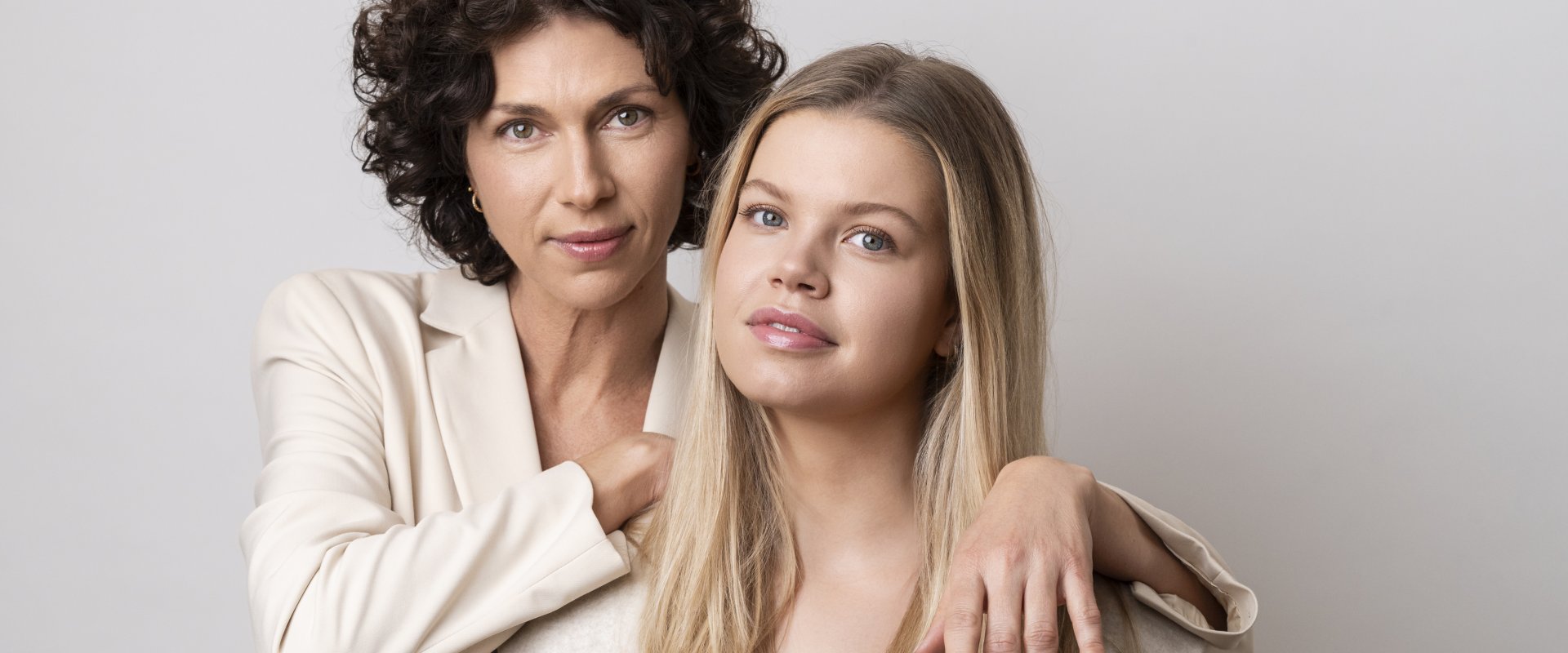
Boost your skin confidence with these five tips
1. Focus on what your skin can do for you
It protects you, regulates your temperature, and heals itself every day. That’s remarkable. Take a moment to appreciate all it does, even when it doesn’t look ‘perfect’.
It protects you, regulates your temperature, and heals itself every day. That’s remarkable. Take a moment to appreciate all it does, even when it doesn’t look ‘perfect’.
2. Stop comparing Instagram filters
and edited photos set unrealistic standards. Real skin has pores, spots, and scars. And that’s normal. Unfollow accounts that make you feel insecure and seek out profiles that celebrate authentic beauty.
and edited photos set unrealistic standards. Real skin has pores, spots, and scars. And that’s normal. Unfollow accounts that make you feel insecure and seek out profiles that celebrate authentic beauty.
3. Invest in self-care, not perfection
Treat yourself to skincare as a moment of attention and relaxation, not as a fix. The goal isn’t flawless skin but feeling good about yourself.
Treat yourself to skincare as a moment of attention and relaxation, not as a fix. The goal isn’t flawless skin but feeling good about yourself.
4. Talk about it You’re not alone
Opening up about your skin concerns with friends, online, or in a support group can help release shame and make you feel supported.
Opening up about your skin concerns with friends, online, or in a support group can help release shame and make you feel supported.
5. Be kind to yourself
Everyone has bad skin days. That doesn’t make you any less worthy. Try to reframe negative self-talk: “I look different today, but I am still me.”
Everyone has bad skin days. That doesn’t make you any less worthy. Try to reframe negative self-talk: “I look different today, but I am still me.”
Text by Dionne Snuverink, psychologist and founder of Exclusive Psychology. She offers specialized treatments with short wait times and personal attention, so people can quickly and easily access the support they need. Her services are designed for anyone dealing with psychological challenges, from stress and low mood to anxiety or loss of balance.