



Skin education
Daily SPF: The Invisible Key to Skin Longevity
Why daily SPF protects skin before damage becomes visible
Sun protection often only becomes a priority when the skin turns red, feels warm, or gets sunburned. Yet sun exposure begins much earlier.
Every day, the skin is exposed to UV radiation, visible light, heat, air pollution, and oxidative stress.
These factors aren’t always immediately visible, but over the long term they can contribute to:
Every day, the skin is exposed to UV radiation, visible light, heat, air pollution, and oxidative stress.
These factors aren’t always immediately visible, but over the long term they can contribute to:
- Pigmentation
- Increased sensitivity
- A weakened skin barrier
- Loss of firmness
- Changes in skin texture
- A decline in overall skin quality
For anyone serious about improving their skin, SPF should therefore be part of every well-thought-out routine.
As daily protection. To maintain results. As an investment in long-term skin quality.
Sun Protection Bestsellers



Sun exposure occurs on ordinary days
Much of our sun exposure occurs at times we hardly consider “sunny moments”: on the way to work, during lunch outdoors, behind the wheel, on a patio, in the garden, or during a short walk.
It is precisely these small, everyday moments that are often underestimated. UV radiation and other environmental factors can have an impact, even without hours of exposure or a full day in the sun.
For the following skin conditions, consistent protection can make a visible difference in calmness, evenness, and skin comfort:
It is precisely these small, everyday moments that are often underestimated. UV radiation and other environmental factors can have an impact, even without hours of exposure or a full day in the sun.
For the following skin conditions, consistent protection can make a visible difference in calmness, evenness, and skin comfort:
- Pigment-sensitive skin
- Acne-prone skin
- Sensitive skin conditions
- Rosacea
- Skin undergoing professional treatment



Light is more than just a superficial factor
Within the Craith Lab’s epigenetic framework, the skin is viewed as a dynamic system that constantly interacts with internal and external influences.
Factors such as light, heat, pollution, stress, inflammation, and disruptions to the skin barrier can help determine how skin cells function, how efficiently they communicate, and how well the skin maintains its balance.
SPF is more than just protection against sunburn. Effective sun protection helps reduce stress on the skin, allowing it to expend less energy on repair and better maintain its balance.
Those who invest in skin quality are not only protecting the skin itself but also the conditions necessary to maintain that quality in the long term.
Factors such as light, heat, pollution, stress, inflammation, and disruptions to the skin barrier can help determine how skin cells function, how efficiently they communicate, and how well the skin maintains its balance.
SPF is more than just protection against sunburn. Effective sun protection helps reduce stress on the skin, allowing it to expend less energy on repair and better maintain its balance.
Those who invest in skin quality are not only protecting the skin itself but also the conditions necessary to maintain that quality in the long term.
The skin barrier plays a role in determining how the skin reacts
A strong skin barrier helps maintain moisture levels, limits excessive moisture loss, and helps the skin better cope with daily irritants.
During sunny and warm periods, the skin barrier comes under greater strain. This can manifest as:
During sunny and warm periods, the skin barrier comes under greater strain. This can manifest as:
- A duller complexion
- Increased sensitivity and reactivity
- A tight, pulling sensation
- Dark spots becoming more noticeable
Well-hydrated skin, with a sufficiently supported barrier, has a stronger foundation for coping with these influences.
SPF remains essential for limiting sun exposure. The power of a well-thought-out skincare formula lies in the combination: protecting against external stressors while supporting the skin’s condition, upon which skin quality is further built.
For those who look beyond skincare trends
Today’s skincare consumer is more discerning than ever. Popular products, expensive creams, promising trends, and complex routines have often already been tried. Price, packaging, or an eye-catching ingredient are no longer enough.
What matters today is logic.
A routine must make sense and be tailored to what the skin has to deal with on a daily basis: light, stress, pollution, hormonal influences, sleep deprivation, treatments, lifestyle, and barrier stress.
That’s why skin longevity is appealing to more and more people. Especially those who consciously invest in skin quality are looking for products that go beyond a temporary cosmetic effect. The question is shifting from “What do I see today?” to “How will my skin continue to function well in the long term?”
That’s where epigenetic skincare proves its relevance: not by making grander promises, but by approaching the skin from the perspectives of function, response, barrier health, comfort, and resilience.
What matters today is logic.
A routine must make sense and be tailored to what the skin has to deal with on a daily basis: light, stress, pollution, hormonal influences, sleep deprivation, treatments, lifestyle, and barrier stress.
That’s why skin longevity is appealing to more and more people. Especially those who consciously invest in skin quality are looking for products that go beyond a temporary cosmetic effect. The question is shifting from “What do I see today?” to “How will my skin continue to function well in the long term?”
That’s where epigenetic skincare proves its relevance: not by making grander promises, but by approaching the skin from the perspectives of function, response, barrier health, comfort, and resilience.
SPF and skin longevity
Skin longevity is all about maintaining skin quality over time. This isn’t just about appearance, but also:
- Comfort
- Balance
- Hydration
- Resilience
- Pigment control
- Barrier function
UV radiation is one of the most significant external factors contributing to premature skin aging and pigmentation. In addition, visible light, infrared radiation, and oxidative stress are receiving increasing attention in professional skincare, as they can influence how the skin behaves under daily stress.
A consistent SPF routine not only supports the skin itself but also helps maintain the results of professional treatments, active ingredients, and a carefully developed at-home routine.
Anyone investing in skin improvement should also protect what makes that improvement possible.



Which SPF is right for your skin?
Craith Lab has developed various SPF formulas tailored to different skin needs and occasions. These formulas are part of a broader vision of skin health, in which protection, hydration, barrier support, and comfort are considered together.
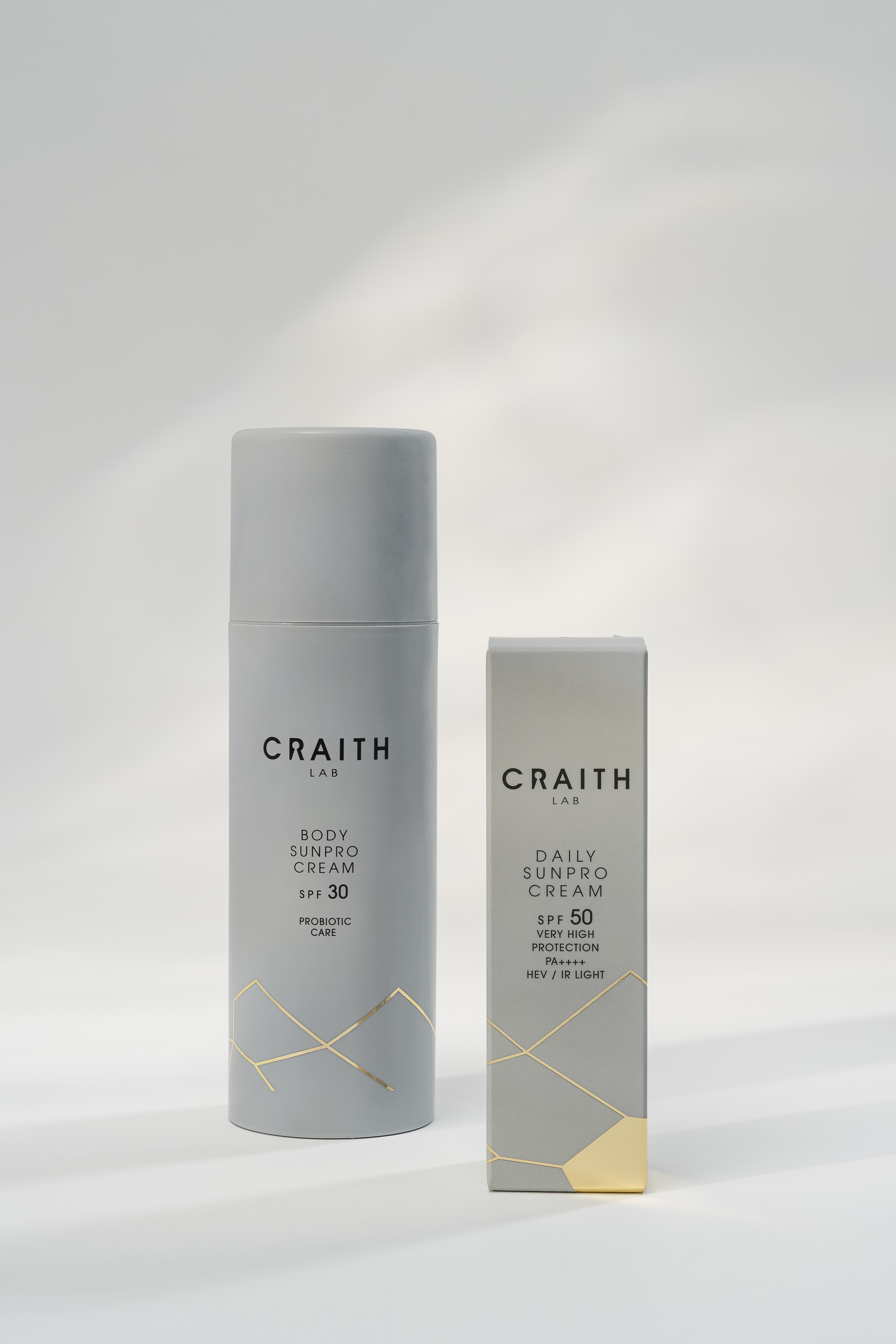
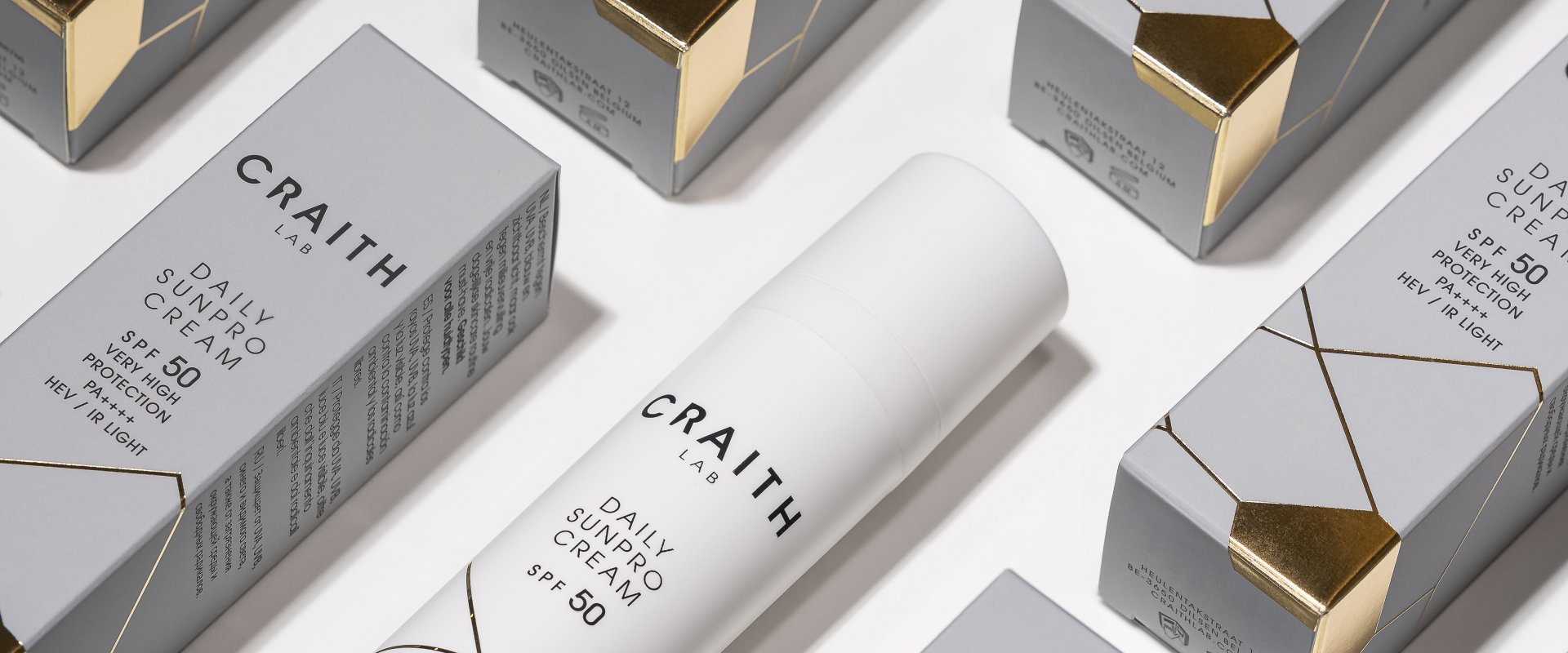
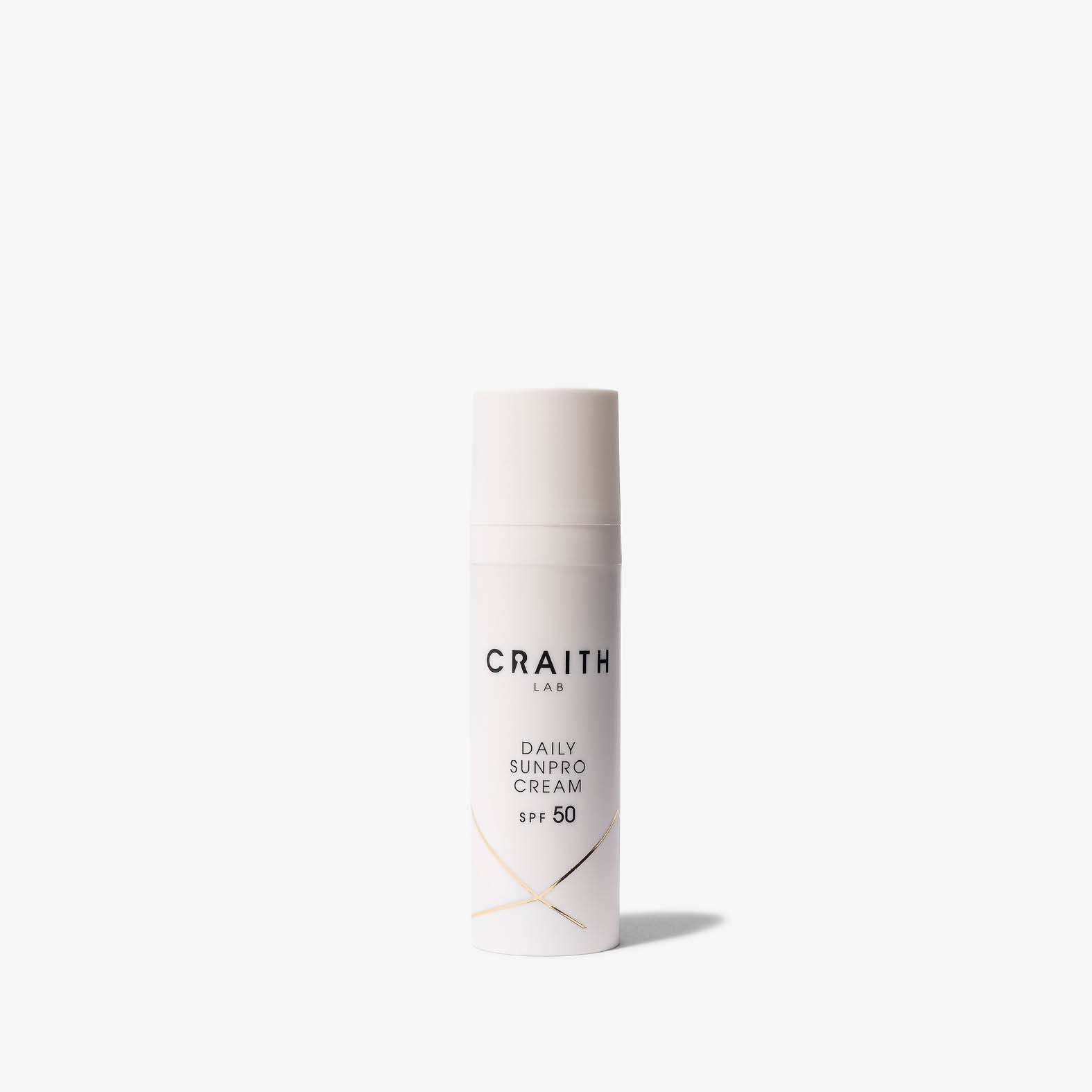
DAILY SUNPRO CREAM / SPF 50
A high-SPF daily facial sunscreen, suitable for skin that needs extra support during sun exposure, for those with pigmentation concerns, sensitive skin, or after professional treatments. When the UV index is high, SPF 50 is a logical choice for maximum protection as part of your daily routine.
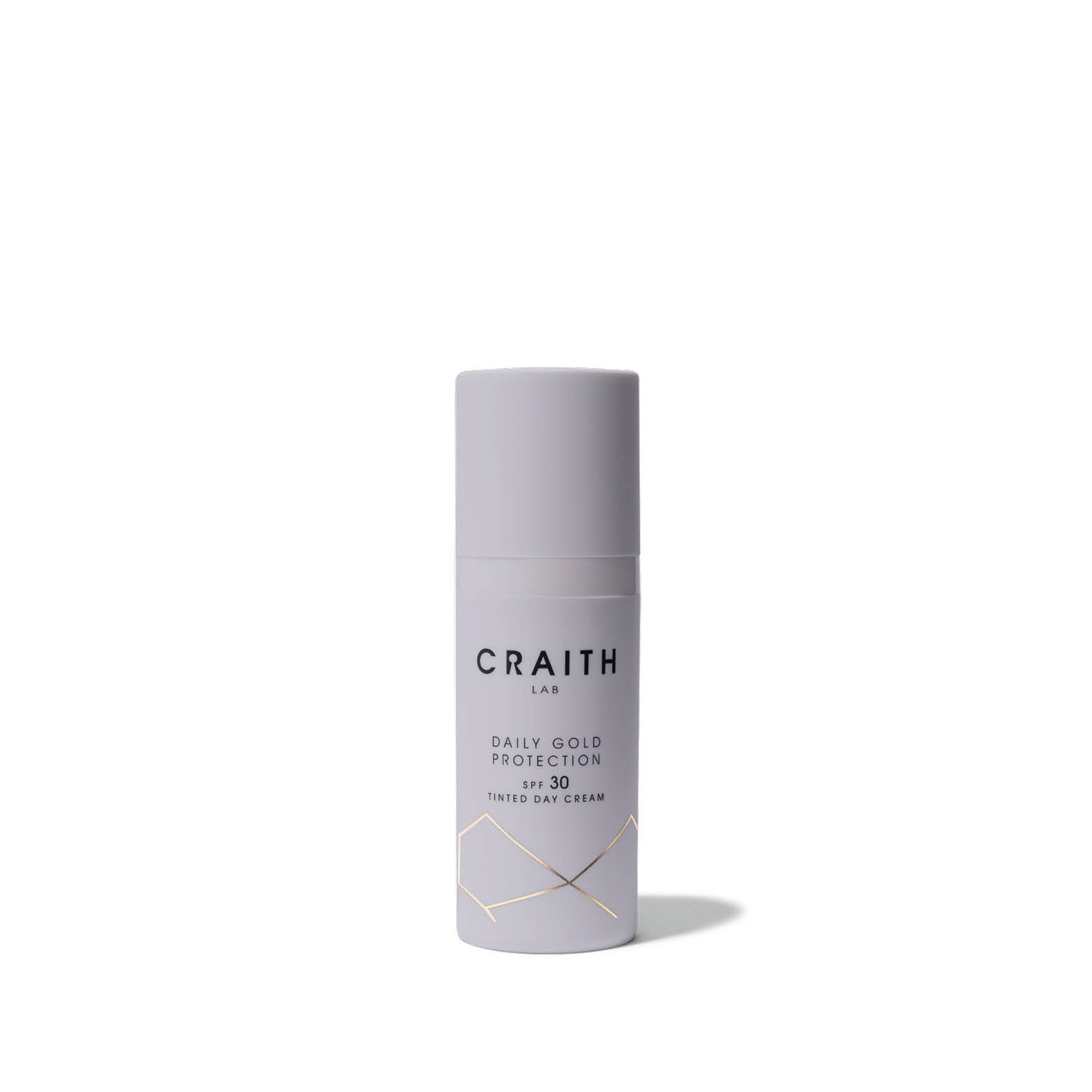
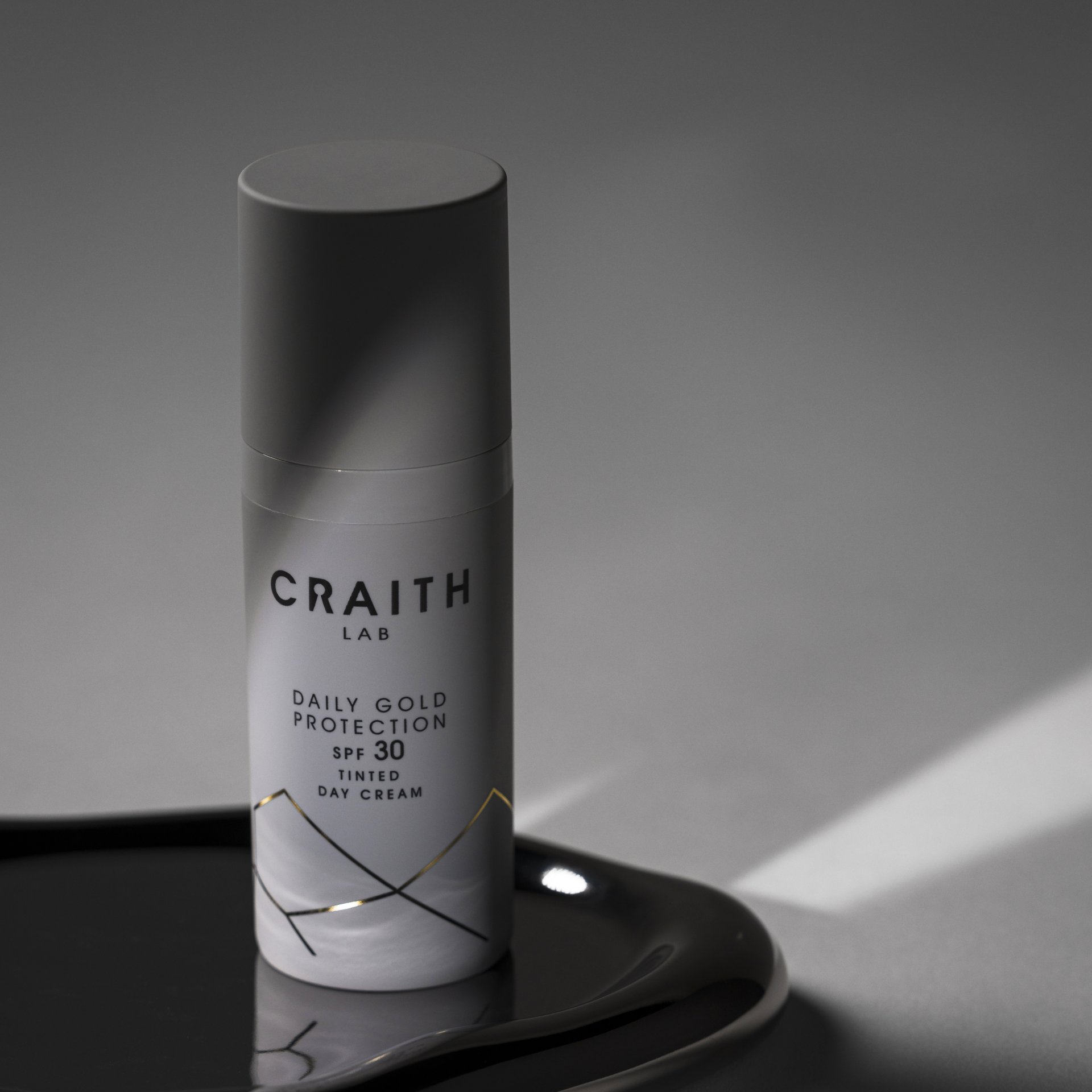
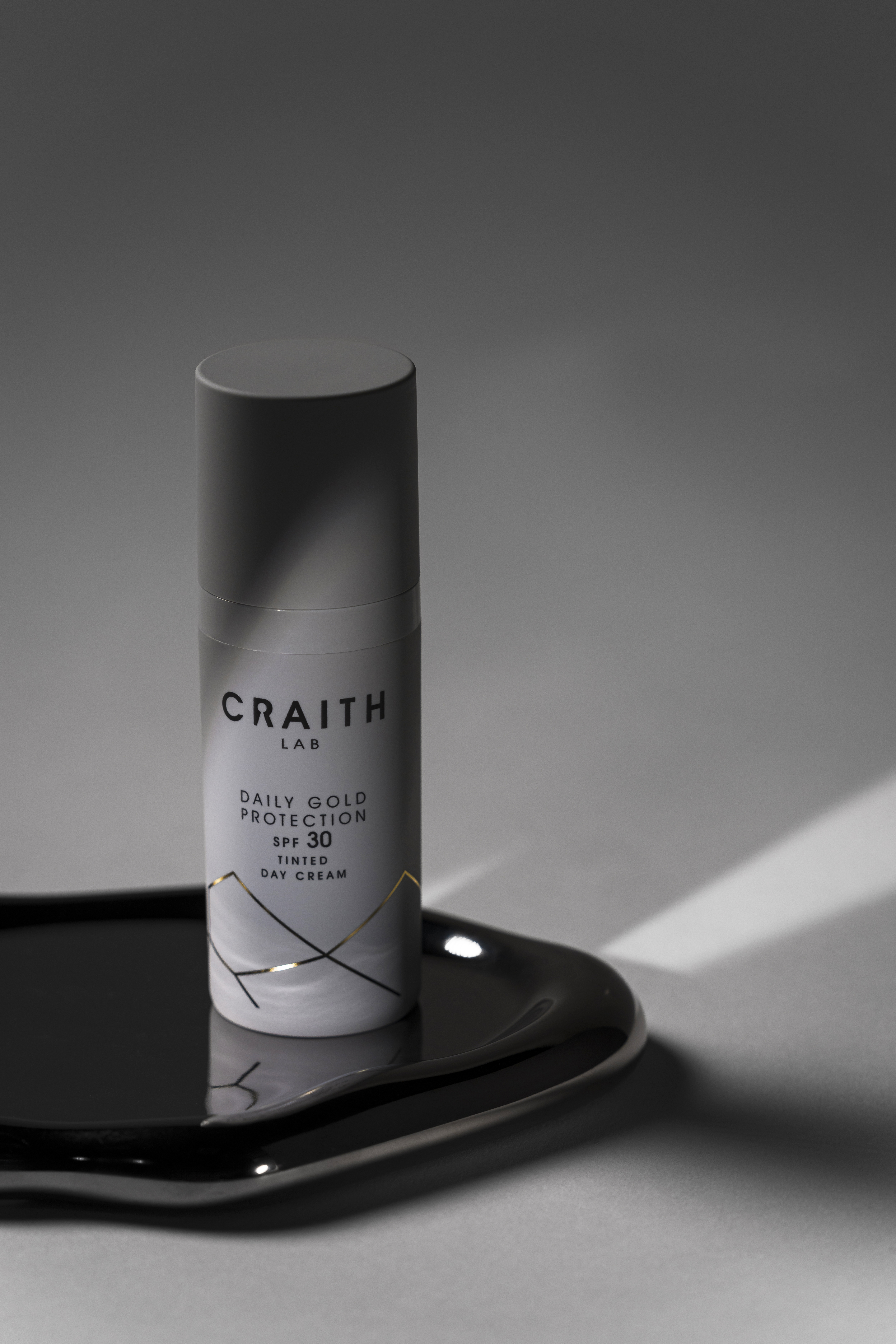
DAILY GOLD PROTECTION / SPF 30 TINTED DAY CREAM
A nourishing tinted day cream with SPF 30 that combines protection with a smoothing finish. The formula contains a complex of hyaluronic acid, panthenol, and allantoin, which provides hydration, comfort, and a nourished, even complexion.
A nourishing tinted day cream with SPF 30 that combines protection with a smoothing finish. The formula contains a complex of hyaluronic acid, panthenol, and allantoin, which provides hydration, comfort, and a nourished, even complexion.
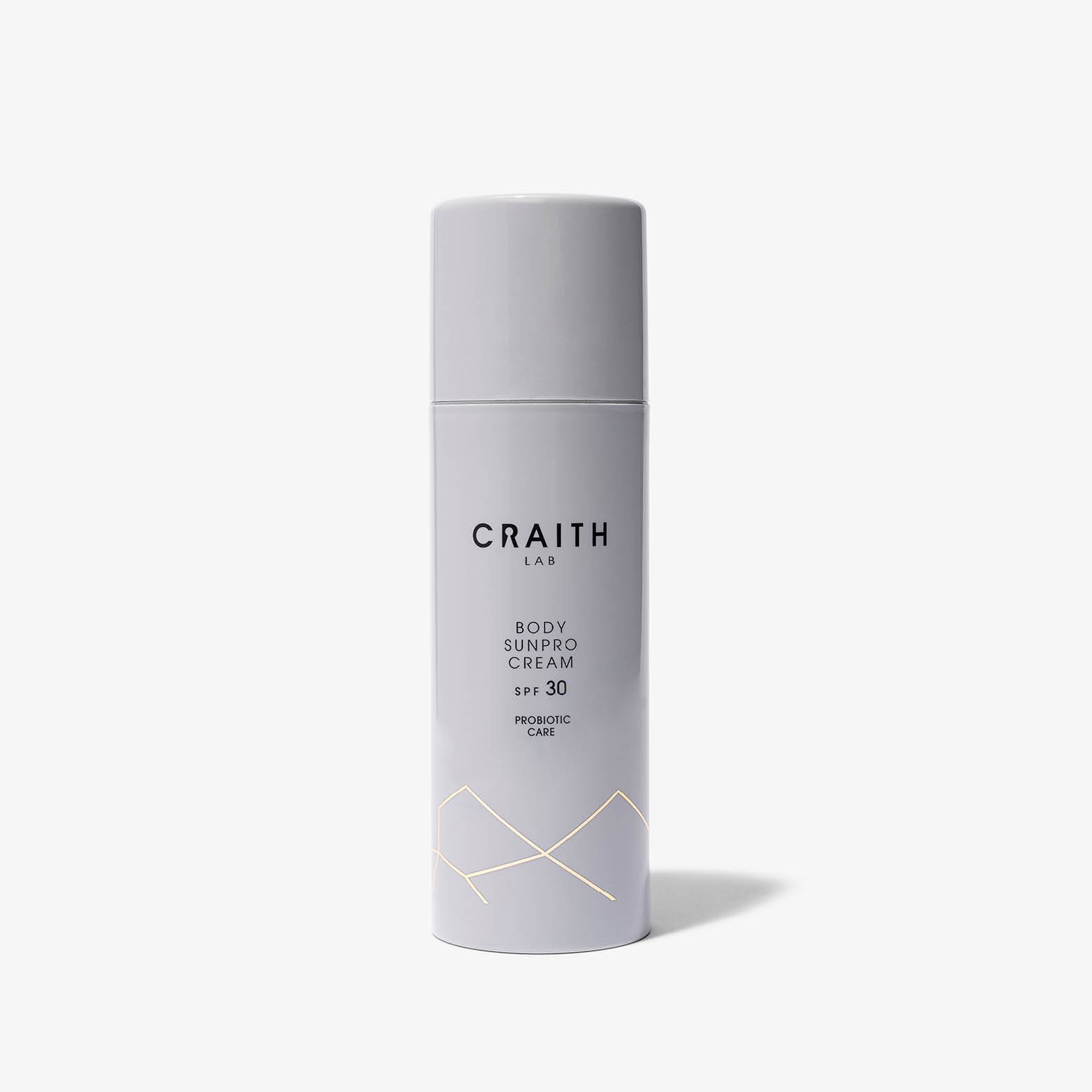
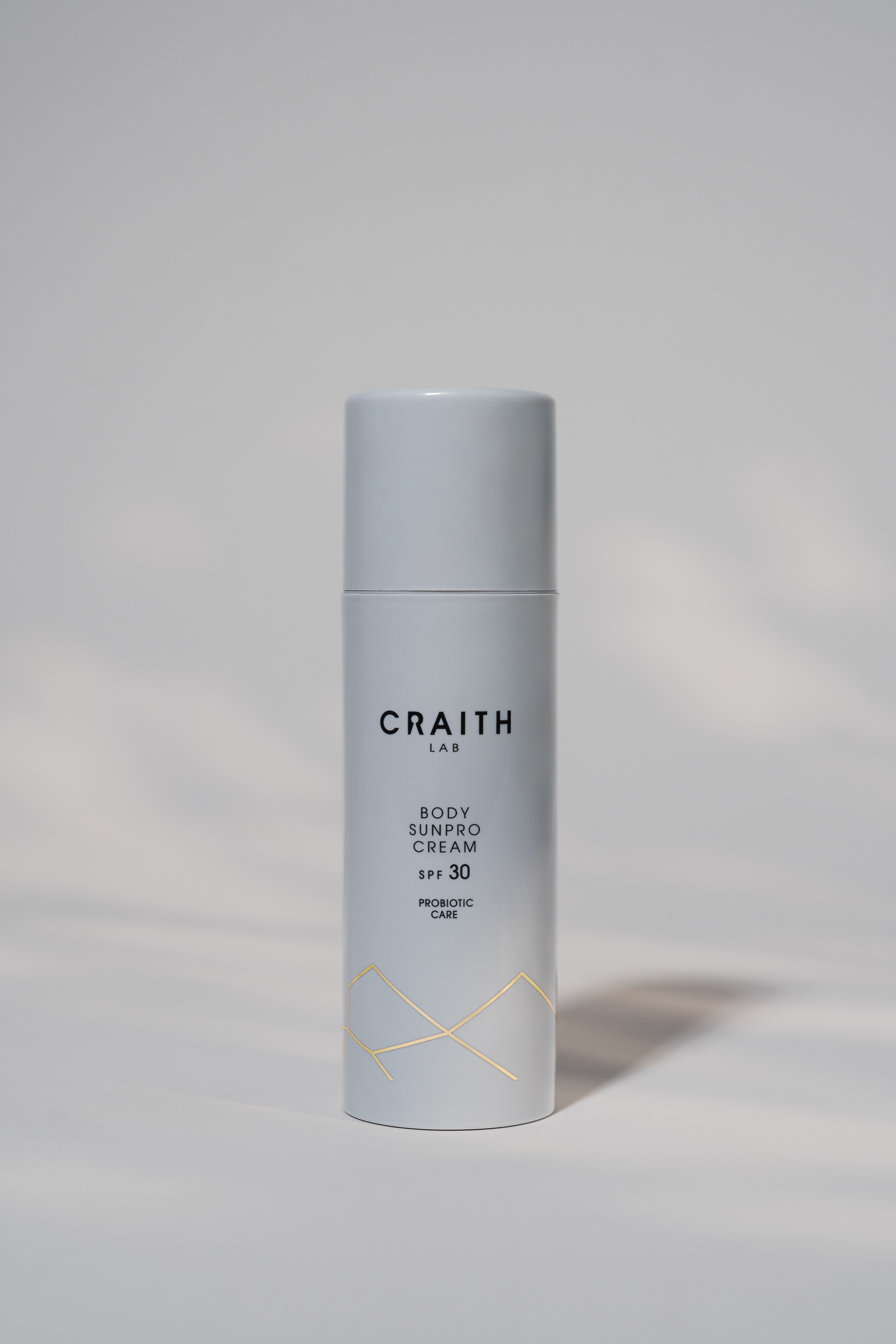
BODY SUNPRO CREAM / SPF 30 PROBIOTIC CARE
The formula contains glycerin and UV filters, among other ingredients, and supports a routine that focuses on both body protection and skin comfort. These areas are often overlooked, even though they can show clear signs of sun damage.
The formula contains glycerin and UV filters, among other ingredients, and supports a routine that focuses on both body protection and skin comfort. These areas are often overlooked, even though they can show clear signs of sun damage.
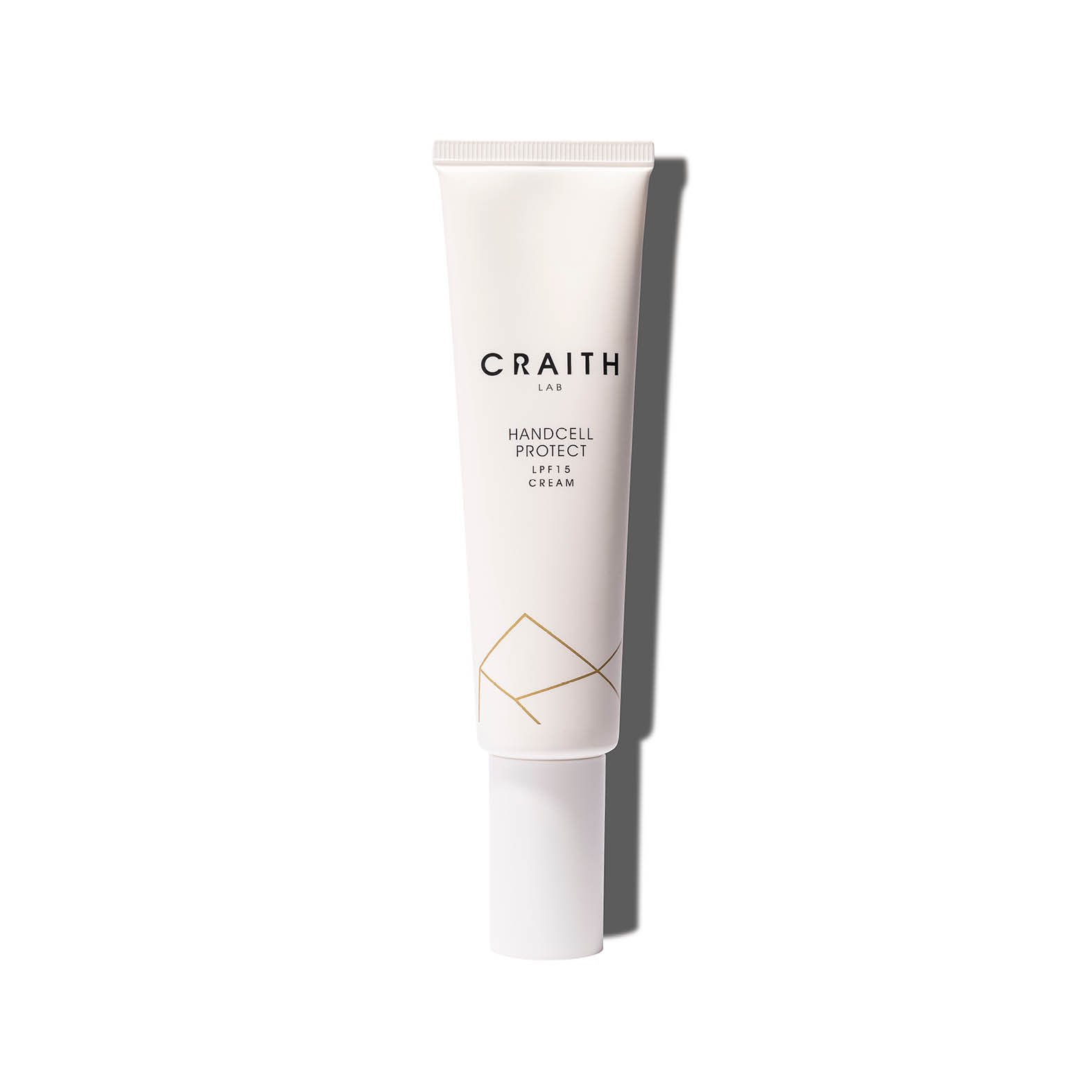
HANDCELL PROTECT CREAM / SPF 15
A nourishing hand cream with sun protection. Hands are exposed daily to light, washing, dryness, and environmental stress. They deserve the same care as the face, especially since signs of skin aging often appear here first.
A nourishing hand cream with sun protection. Hands are exposed daily to light, washing, dryness, and environmental stress. They deserve the same care as the face, especially since signs of skin aging often appear here first.
Protection also means skin improvement
A well-thought-out skincare routine goes beyond cleansing, moisturizing, and active ingredients. Protection plays a key role in maintaining skin quality.
From an epigenetic skincare perspective, this makes sense: the skin reacts to its environment, day after day. Light, heat, pollution, and oxidative stress are stimuli that the skin must cope with. The better it is supported and protected, the easier it is for the skin to maintain its balance, comfort, and radiance.
SPF helps limit one of the most constant external stresses: exposure to light.
That’s why sun protection isn’t just the final step in your routine, but a strategic part of skin improvement. It helps protect the skin from factors that compromise its quality and supports the results of all the care you’ve carefully built up.