




Skin education
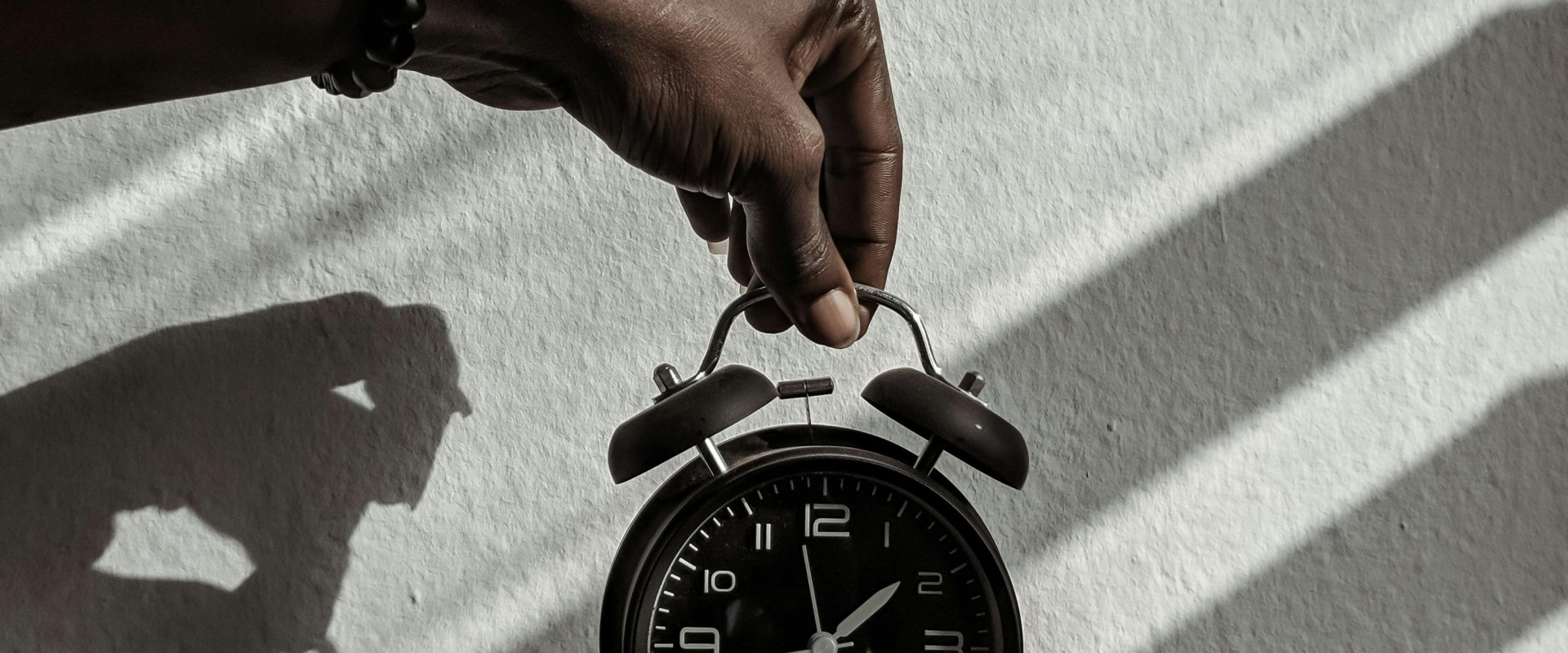
Tik Tak, Tik Tak
The biological clock of the skin is a fascinating subject. Just as our body has a central biological clock in the brain, our skin also has its own internal rhythm. Clock genes in the skin regulate the daily cycle, wich means that skin cells have different needs at different times of the day.
In the morning, for example, the skin is more vulnerable to damage from UV radiation, which means it requires extra protection during those hours. At night, the skin shifts into recovery and regeneration mode. While you sleep, hormones are produced and cell division takes place, allowing your skin to function better and heal. During the day, opt for Daily SunPro SPF 50 to nourish and protect your skin, or choose Daily Gold SPF 30 for protection with a radiant touch.
It’s important to know that social cues and daylight also play a role in synchronizing our internal clock. These cues include social interaction, mealtimes, daily routines, and the sounds and activity in your environment. Daylight helps reset the biological clock, which is essential for maintaining a healthy rhythm. Not much time to spend outdoors? No worries, even short moments in the fresh air are enough to help your clock stay in sync. The biological clock acts like an internal conductor, guiding your body around the clock. It determines when you feel sleepy, when your skin begins to repair, when you’re most alert, and even the best times to exercise or eat.
This clock is also known as the circadian rhythm, which comes from Latin and means “about a day.” It’s the cycle your body follows over a twenty-four-hour period and is controlled by a small region in your brain. We’ll spare you the scientific name, but it’s located deep within the hypothalamus. This rhythm also influences the production of melanin in the skin, the pigment that gives your skin its color and protects it from UV rays. The biological clock regulates melanin production, ensuring that your skin is properly protected throughout the day and across different seasons.